
05 Jun Sun 2016
Texas Migrant Family from the Farm Administration Archives
10 May Tue 2016
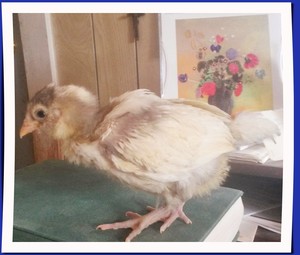
Swimming in Buff Ameraucanas
Well, in what has to be the oddest thing ever, I am swimming in buff Ameraucana chicks -- pullets, no less. I find this hard to believe. I have some blacks, a bit older about a monthl, and one blue female. All Ameraucanas. Normally I sell the chicks for $12.00 a piece, but since I have a lot, I'm letting them go for $10.00 a piece, regardless of age or color, with a 4 chick mini.
Let me know if you are interested. Thanks.
SOLD. The next time I will be selling birds will be late this month as I downsize the flock again and take stock of what I have.
01 May Sun 2016
Reasons to Lime the soil
Phosphorus is “P” value (the second number in the fertilizer rating N-P-K).
Plants absorb most of their phosphorus from the soil solution as orthophosphate (H2PO4-), regardless of the original source of phosphorus. Since orthophosphate’s negative charge prevents it from being attracted to the soil’s positive charge (cation), it will still react strongly in the soil, particularly if there are large amounts of iron and aluminum naturally, but it will products that are insoluble which in short means it is unavailable to plants.
A major factor controlling these insoluble/soluble reactions is the soil pH. If the soil ph is low or high, the phosphorus solubility availability is low, because the phosphorus needs the soil to be in the 6.0 to 7.0 pH range to be absorbed. That means we then need something, another chemical, to change the soil to the optimum level so it can absorb phosphorus: enter lime. Of course there is also bone meal and rock phosphate, but lime is the cheapest alternative out there.
The legal definition of available phosphorus in fertilizer is the sum of the phosphorus soluble in water plus that which is soluble in citrate solution or (P2O5). This number can vary from 0 to 100 percent. So when shopping, look for is a number as high as possible, as that is the more effective phosphorous source.
This is especially important for short-season, fast-growing crops, crops with restricted root systems (tomatoes) , or when purchasing starter fertilizers.
egg evaporation
Eggs lose from 13 to 16 per cent of their moisture during incubation are said to undergo normal evaporation. Infertile eggs oddly enough, evaporate faster than do those containing live germs; hence the candling or testing of the eggs is important, because keeping the humidity level is important.
I start checking the eggs on day #5. This day is the first day after the embryo has formed and is available for viewing. If the eggs are infertile at this point, typically this is a cockbirds problem. It’s important to know as soon as possible otherwise you can, and I have before I knew this, waste a lot of time to get a bad hatch.
The next time I check is on day #19 when i move them from the incubator to the hatcher.
Turning the eggs, manually
When we did not have an automatic egg turner, I turned the eggs twice a day. It’s a tough job so I picked a 12 hour interval i knew I would be awake. For me that was 10 am and 10 pm and so it wasn’t so bad.
Eggs undergoing incubation should be thoroly but carefully turned or shuffled at least twice daily from the second to the nineteenth day of incubation. Recent experiments have shown that it is not only desirable that the eggs be turned thruout the incubation period but very necessary that they be thoroly shuffled during the first ten or twelve days, in order that a high percentage of chicks dead in the shell be avoided.
I did do that too…shuffle them around, rolling them all over the Styrofoam making sure that the X’s were hidden 10 pm and visible at 10 am.
Eggs must be turned twice daily from the second to the nineteenth day of incubation with the early part of the incubation period is more vital than the latter part so far as the incubation factor of turning is concerned.
Whenever turning or certain amounts of turning are omitted the chicks that hatch are not as strong, do not fluff as well, and are more likely to have absorbed incompletely the remaining yolk on the nineteenth day.
Whenever turning or certain amounts of turning are omitted, there is a higher than normal loss of embryos as well the dreaded ” dead-in-shells “. Since I raise Araucanas, I am not looking to increase those odds.
The hen rotates her eggs about 180 times a day, moving and getting things settled, remember as her body, without feathers, is directly on the eggs, she can feels their movements and know when adjustments are needed. But why is turning the eggs during incubation so vital ? Well here are two reasons that have the most credence
- The yolk being lighter than the surrounding albumen it tends to rise, and, & unless the position of the egg is changed frequently, it will in time come in contact with the shell membranes.
- If allowed to remain in contact the germ is said to dry fast and finally die;
- Another idea is what is called exercise and its relation to nutrition and vitality.
- Here the prevalent thought is that “the embryo did not die from adhering to the shell membranes in the early part of the incubation period but rather lived until hatching time” and the movement deterred that.
30 Apr Sat 2016
Cystine is needed during molt
While a non-essential amino acid for man, molting birds need high cystine content for renewal of feathers because cystine is necessary for the production of keratin, the prime ingredient that constitutes feathers. Some medical researchers that it is a lack, or a biological block, of the absorption of cystine, that leads to men's hair loss.
Cystine is found in red peppers, garlic, onions, broccoli, brussels sprout, oats, granola, wheat germ, sprouted lentils & egg yolks, so one easy one to supply cystine is by feeding molting hens, their own, previously laid, eggs back. Cystine is the stable form of the chemical cysteine.
Tests conducted at the Nebraska Agricultural Experiment Station have shown that the endogenous nitrogen loss among nonmolting hens amounts to about 144 milligrams per kilogram of body weight, and among molting hens, 219 milligrams.
Evidently the molting hen breaks down tissue protein to supply the amino acid cystine for feather growth.
When 145 milligrams of cystine were added to the diet of the molting hen, the endogenous nitrogen loss was reduced to 137 milligrams. The feeding of cystine exerted a protein sparing out of proportion to its nitrogen content, thus indicating its value for feather growth.
Chicken Cages higher not deeper
An interesting study, done for battery caged layers, shows that when you buy one of your cages for transporting or showing or housing often injures the birds when you get them too deep. Instead the recommendation is to get them as shallow as possible. The reason seems to be that the shallower they are, the easier for the bird to get to the food trough and so presumably eat more. Since they are in caged because of environmental _stress_ of one type another, a fall off in their eating could be more harmful than helpful particularly as they have small gullets and systems and shock could cause a heart attack.
To be honest, I was scouting for something like as I have bought several types of cages in the past, some wire dog cages, other chicken oriented ones and I found that the very deep cages were problematic because if you put more than 2 cockerels in one, they will fight -- but if I used a higher but narrower one they didn't. I was wondering if this was just peculiar to my Ameraucanas or a general trend, but overall listening to the boys helped alleviate those problems.
Other findings are:
- When the battery cages 460 mm in depth (deep) were compared with 305 mm cages (shallow); the two shapes provided equal areas per bird but the 305mm was better.
- More eggs were produced per hen housed from 30 to 70 weeks in the shallow cages; this difference is significant.
- The pattern of feeding activity over the day was significantly more in the shallow cages; this pattern accords more closely with physiological requirements.
- Feather damage caused by pecking was slightly higher, but it became significantly more severe in the deep cages over a long period of time (70 weeks.)
- The proportion of cracked eggs (collected from 60 to 70 weeks) was significantly lower in shallow cages.
- In the shallow cages a higher proportion of birds was present in the front half; with the back almost being totally empty.
- It is suggested that some of the advantages conferred by the shallow cage may be related to the greater accessibility of the food trough.
Orchid Cuckoo Bee / Exaerete formalis
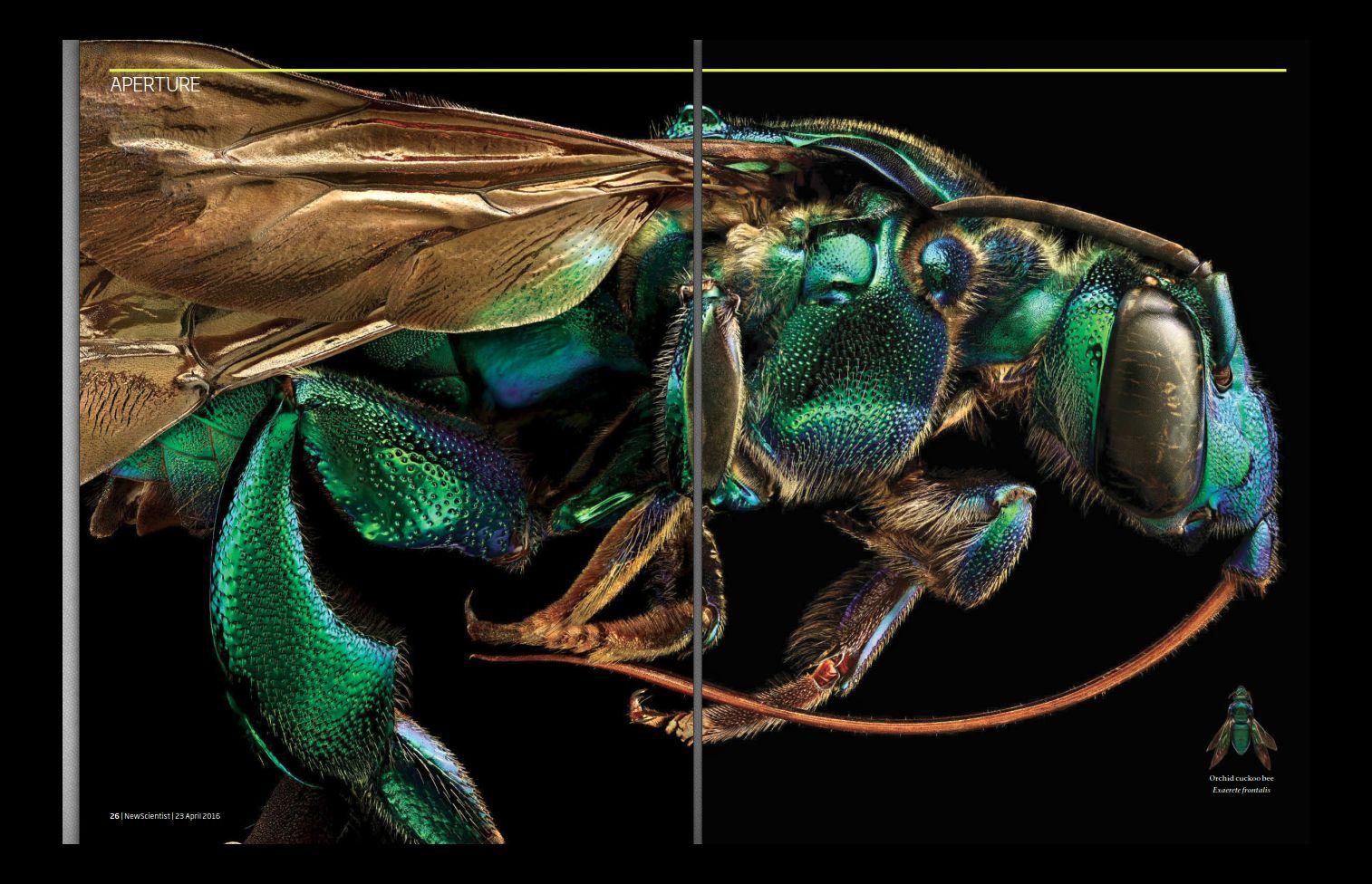
I turned to chooks when the town we live in wouldn't allow bees, but I still remain a member of the local bee club because I love bees so. This one from the New Scientist Aperture page, really caught my eye. It is a tropical bee, and belongs the Euglossini family(Orchid Bees).
The Exaerete are, without a doubt, the most spectacular of the Neotropical bees. They are characterized by their large size, metallic green coloration and very long tongues, which they use to extract nectar from flowers with long corollas (particularly orchids) and by their cleptoparasitic habits.
There are five genera of Euglossini bees and while three of those genera (Euglossa, Eulaema, and Eufriesea) collect pollen and construct nests, the other two genera (Exaerete and Aglae) have evolved as cleptoparasites of Eulaema and Eufriesea. These cleptoparasites act as cuckoos, destroying the eggs of their preferred host and replacing them with their own eggs.
29 Apr Fri 2016
Choosing grit for your chooks
Limestone grit is often used as a substitute for or in addition to oyster shells for laying hens. It is not quite so palatable as oyster shells to chickens, & so does not give as satisfactory an egg production. But if you are going to insist on limestone, then look for bright, shiny limestone grit which is eaten more readily than dull gray dolomitic limestone grit.
Many keep both oyster shells and limestone grit before the laying hens in separate shell hoppers. But honestly, it is better to allow laying hens free access to these sources of calcium than to incorporate into the feed.
A hen that lays 250 eggs in a year will need much more than one that lays 125 eggs.
Oyster shells contain 96 per cent OTOH or more calcium carbonate are used extensively as a source of calcium for eggshell formation. Crushed hen-size oyster shell grit is usually kept before the laying hens in separate shell hoppers.
A hen will eat two to four pounds of oyster shell or limestone grit in a year, depending on the number of eggs produced and the amount of calcium in the mash feed. When given free access to oyster shell and limestone grit, the hens consume much more oyster shell than limestone. Apparently the small amount of muscle adhering to the oyster shell adds to its palatability.
And then there are clam shells. They may be used as a substitute for oyster shells, but to be honest they are not quite as good.
27 Apr Wed 2016
Fish meal for chickens
Fish meal is the clean, dried, ground tissue of undercomposed whole fish or fish cuttings, sometimes both, with or without the extraction of part of the oil, and containing not more than 3 per cent salt. Some salt is beneficial to chooks, but after 3% it starts to accumulate in their livers and kidneys and starts to cause some health problems -- much like too much of salt would to ours. So keep the salt in the water, during the extremes of summer and winter, lower than that. I put a 1/4 of teaspoon in 3 gallons, alternating that with vinegar & plain water, so they get a variety of flavours but also don't overload on the salt.
Fish meals vary in composition and feeding value, so check for those from the white fish group which typically live near the sea or lake floor. These are chub, trout, lake bass,cod, pollack, whiting, grouper, hake, snapper & tilapia and for chooks they are superior to those made from dark oily fish that have oils throughout their flesh. Typical of the latter group are salmon, trout sardines, herring, tuna, mackerel and anchovies.
Fish meals made at low temperatures are superior to those processed at high temperatures as a general rule, and fish meals containing much of the viscera, as are obtainable from some fish canneries, are superior to meals made from whole fish.
The average fish meal has about the same composition and feeding value as meat scraps. In coastal regions, fish meal is as cheap or cheaper than meat scraps though of course the further inland you go, it becomes more expensive. White fish meal made by the low temperature or vacuum process contains protein of very high biological value and is a good source of vitamin G, riboflavin, which chicks need to avoid curled toe paralysis -- this is notable when a chook is born with toes that curl typically towards the body
The white fish meal also compares favorably with milk as an animal protein feedstuff so weighing the cost benefit could be pivotal in which to choose. I have gotten fish heads & tails from my local Wegman's fish department for about 3.99 a pound and typically make a soup out of it and give the fish, bones and all, to the chooks particularly during moult when they need the extra protein,
Bone meal as grit
Bone meal consists mainly of calcium phosphate (Ca3P04). It varies in composition, depending on method of manufacture. Poultry bone meal, sometimes called raw bone meal or steamed bone meal, consists of bones which have been thoroughly cooked, dried, and ground. This product contains 20 to 25 per cent protein.
Bone meal is added to poultry starting and growing rations which contain less than about 10 per cent animal protein feedstuffs and is an important ingredient of mineral mixtures that are often sold separately.
Special steamed bone meal is a by-product of gelatin or glue manufacture. It is cheaper than poultry or steamed bone meal and is as satisfactory as a mineral feedstuff. It contains more calcium and phosphorus and much less protein than poultry bone meal.
Fertilizer bone meal is unpalatable, has a disagreeable odor, and is unsuitable for a poultry feedstuff.
26 Apr Tue 2016
Puffins from Bing
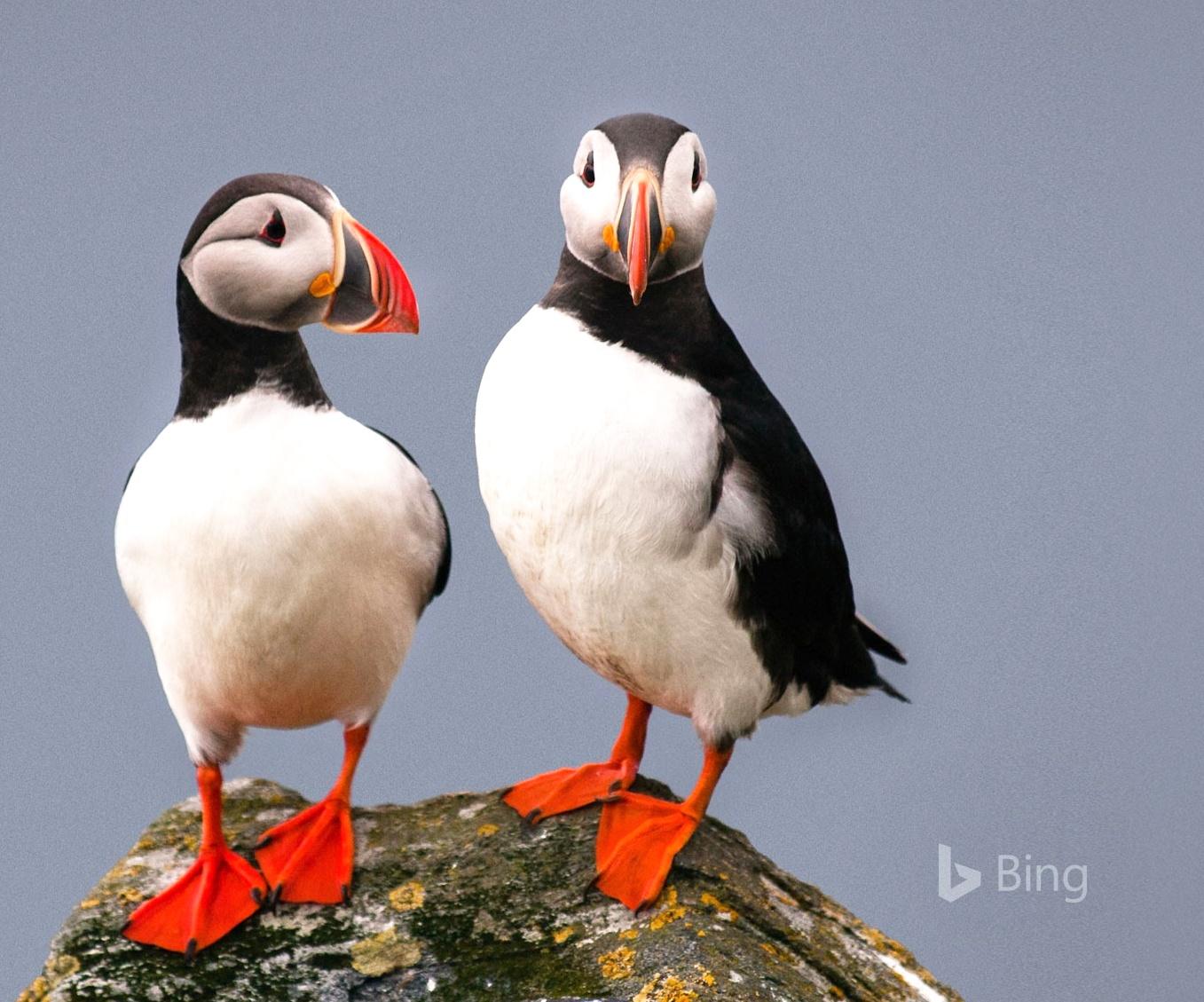
Not a domesticated bird by any means, but one of my all time favorites. They are only in the Northern Hemisphere just like Penguins are only in the Southern. I think we got the better deal.tlantic puffins have penguin-like coloring but they sport a colorful beak that has led some to dub them the "sea parrot." The beak fades to a drab gray during the winter and blooms with color again in the spring—suggesting that it may be attractive to potential mates.
These birds live most of their lives at sea, resting on the waves when not swimming. They are excellent swimmers that use their wings to stroke underwater with a flying motion. They steer with rudderlike webbed feet and can dive to depths of 200 feet (61 meters), though they usually stay underwater for only 20 or 30 seconds. Puffins typically hunt small fish like herring or sand eels.
In the air, puffins are surprisingly fleet flyers. By flapping their wings up to 400 times per minute they can reach speeds of 55 miles an hour.
25 Apr Mon 2016
White leghorn cockbird
When I was at the Northeastern Congress Poultry show in Springfield Massachusetts back in January I took a lot of pictures. At the time I posted some but most I did not. This white leghorn male was one that caught my eye. I was taken aback by their tail feathers. I never realized how long and spectactular it was. I don't remember the exhibitor but it is a beauty.
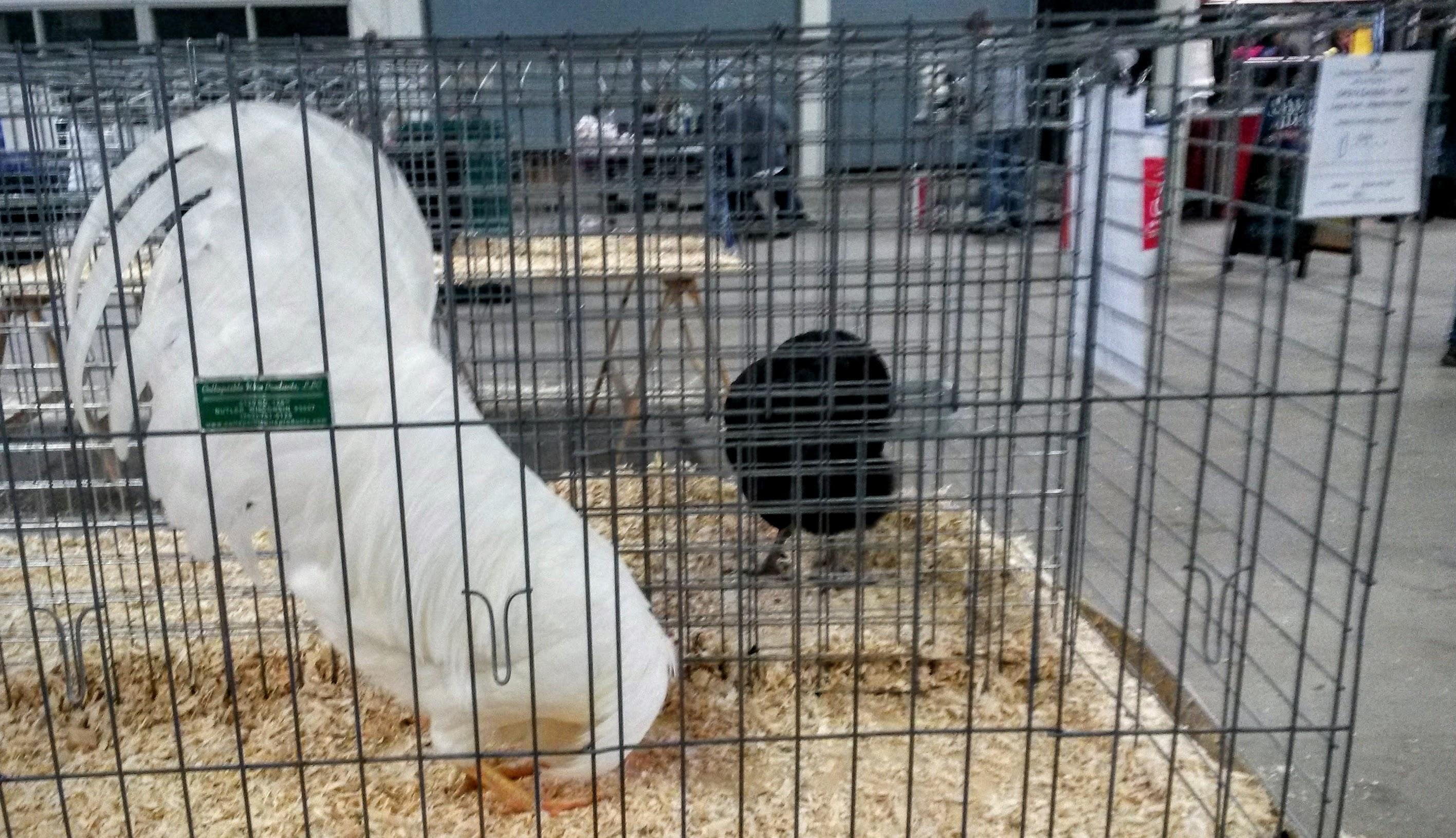
Khaki Polish Tolbunt
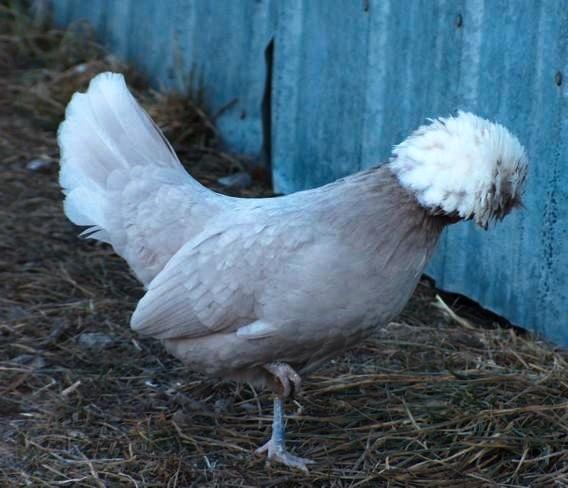
I love the colour. I was surprised to learn that it is khaki, I thought it was porcelain. Well, anyways, I'm thinking of bringing that colour over to Ameraucanas, sans the crest of course. There are several problems in doing this: removing the crest, it's a dominant gene so that will take a while; getting the correct size (Tolbunts run a bit smaller than Ams) and finally getting the blue egg.